
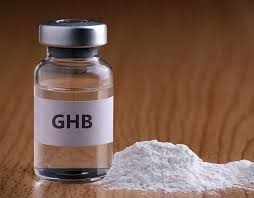
Ghb Powder Vs Liquid, GHB (gamma-hydroxybutyrate) is a central nervous system depressant that is known for its sedative and euphoric effects. Often referred to as a “club drug” or “date rape drug,” GHB has become controversial due to its misuse and potential for dependence. It typically exists in two forms: GHB powder e GHB liquid. While both forms have the same active ingredient, they differ significantly in terms of potency, usage, risk, and legality.
Chemical Similarities
Both GHB powder and liquid contain the same active compound, gamma-hydroxybutyrate. Once ingested, the body processes both forms in a similar manner, producing effects such as relaxation, euphoria, lowered inhibitions, and in higher doses, unconsciousness or respiratory depression. However, the form in which it is consumed plays a significant role in dosing accuracy and safety.
GHB Powder: Pros and Cons
Pros:
-
Longer shelf life: GHB powder is generally more stable than its liquid counterpart, making it easier to store long-term.
-
Easier to transport discreetly: Due to its dry form, it can be transported more easily, which appeals to some users (though this is often illegal).
-
Potentially easier to measure by weight: For those familiar with laboratory-grade measuring tools, precise dosing is more achievable.
Cons:
-
High risk of overdose: A small difference in powder weight can result in a dangerously high dose. Without proper equipment, dosage accuracy is unreliable.
-
Requires preparation: Often needs to be mixed with liquid before ingestion, adding another variable to dosing safety.
-
Illegality and purity concerns: Powder form is often made in illicit labs, leading to unknown purity and dangerous contaminants.
GHB Liquid: Pros and Cons
Pros:
-
Easier to dose (in theory): When prepared correctly, liquid GHB can be measured using a syringe or dropper, making it easier for some users to control intake.
-
More commonly available: The liquid form is the most common on the illicit market, especially in nightlife settings.
Cons:
-
Potency varies widely: Because it’s often diluted with water or other substances, the strength of liquid GHB can vary, making consistent dosing difficult.
-
Shorter shelf life: Liquid GHB can degrade or grow bacteria if not stored properly.
-
Higher risk of accidental ingestion: Due to its clear, tasteless nature, it can be mixed into drinks unnoticed, raising concerns about non-consensual use.
GHB Powder vs Liquid: Which is More Dangerous?
The danger level depends on the user’s knowledge, environment, and intent. Both forms can be equally hazardous when misused. However:
-
Powder poses a higher risk due to precise dosing difficulties and purity issues.
-
Liquid carries greater risk for accidental or intentional misuse, especially in public or party settings.
Regardless of the form, GHB has a narrow safety margin—the difference between a recreational dose and an overdose is minimal. Symptoms of overdose include unconsciousness, slowed breathing, vomiting, seizures, and even death.
Legal and Medical Implications
In most countries, including the United States, GHB is classified as a Schedule I controlled substance (illicit for recreational use) but is available by prescription under the name Xyrem, used to treat narcolepsy. Unauthorized possession or distribution of either form—powder or liquid—is illegal and punishable by law.
Final Thoughts
The debate between GHB powder vs liquid ultimately comes down to safety, dosing accuracy, and risk of misuse. Neither form is safe for recreational or unsupervised use, and both present serious health risks. Education, awareness, and medical supervision (when used legally) are crucial to preventing harm.
You Might Also Like These:
 Portuguese
  English
  German
  Dutch
Dutch  Italian
  Swedish
  Spanish
  French