
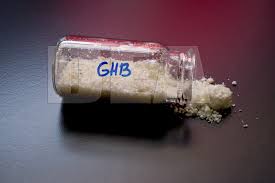
Ghb Forms Powder Liquid, Gamma-Hydroxybutyrate (GHB) is a central nervous system depressant that occurs naturally in the human body in small amounts. However, it is more commonly known for its synthetic forms, which are used both medically and illicitly. The two primary forms of GHB available are powder e liquid, each with distinct properties, uses, and risks. This article explores the differences and implications of these GHB forms: powder and liquid.
O que é o GHB?
GHB is a psychoactive substance with sedative and euphoric effects. Medically, it has been used under the prescription name sodium oxybate to treat conditions like narcolepsy. Illegally, GHB is sometimes misused as a party drug or, more disturbingly, as a “date rape” drug due to its potent effects on the central nervous system.
GHB Forms: Powder and Liquid
1. GHB in Liquid Form
The most common street form of GHB is a clear, colorless, and odorless liquid, often mixed with water or alcohol. It typically comes in small bottles or vials and is known for being fast-acting.
Key Characteristics:
-
Easily ingestible
-
Can be disguised in drinks
-
Doses are difficult to control, making it prone to overdose
-
Effects usually begin within 15–30 minutes
2. GHB in Powder Form
Powdered GHB is less commonly found on the street but is often used as a precursor to making liquid GHB. It is a white, crystalline substance that dissolves easily in liquids.
Key Characteristics:
-
Easier to store and transport
-
Can be accurately measured with a scale (though still risky)
-
Often sold as GBL (gamma-butyrolactone), which the body converts into GHB
-
Has a long shelf life when kept dry
Comparison of Powder vs Liquid GHB
| Feature | Powder GHB | Liquid GHB |
|---|---|---|
| Appearance | White crystalline powder | Clear, colorless liquid |
| Usage | Mixed into a drink or capsule | Taken orally, usually mixed |
| Precisão da dosagem | Slightly more controllable | Difficult to dose precisely |
| Armazenamento | Longer shelf life | Less stable, risk of spillage |
| Commonality | Less common | More widely used illicitly |
Dangers and Legal Status
Both forms of GHB are ilegal em muitos países without a prescription due to their high potential for abuse and overdose. Symptoms of overdose can include unconsciousness, slowed heart rate, respiratory failure, and even death.
Accurate dosing is critical because the margin between a “recreational” dose and a toxic one is extremely narrow, particularly in liquid form. The combination of GHB with alcohol or other depressants drastically increases the risk of fatality.
Conclusão
Whether in powder or liquid form, GHB carries significant health and legal risks. While the GHB forms: powder and liquid may differ in appearance and usage, their effects on the body remain powerful and potentially dangerous. It is essential to understand the risks associated with both forms and seek professional help if misuse or addiction is suspected.
Talvez também lhe interessem estes:
 Portuguese
  English
  German
  Dutch
Dutch  Italian
  Swedish
  Spanish
  French